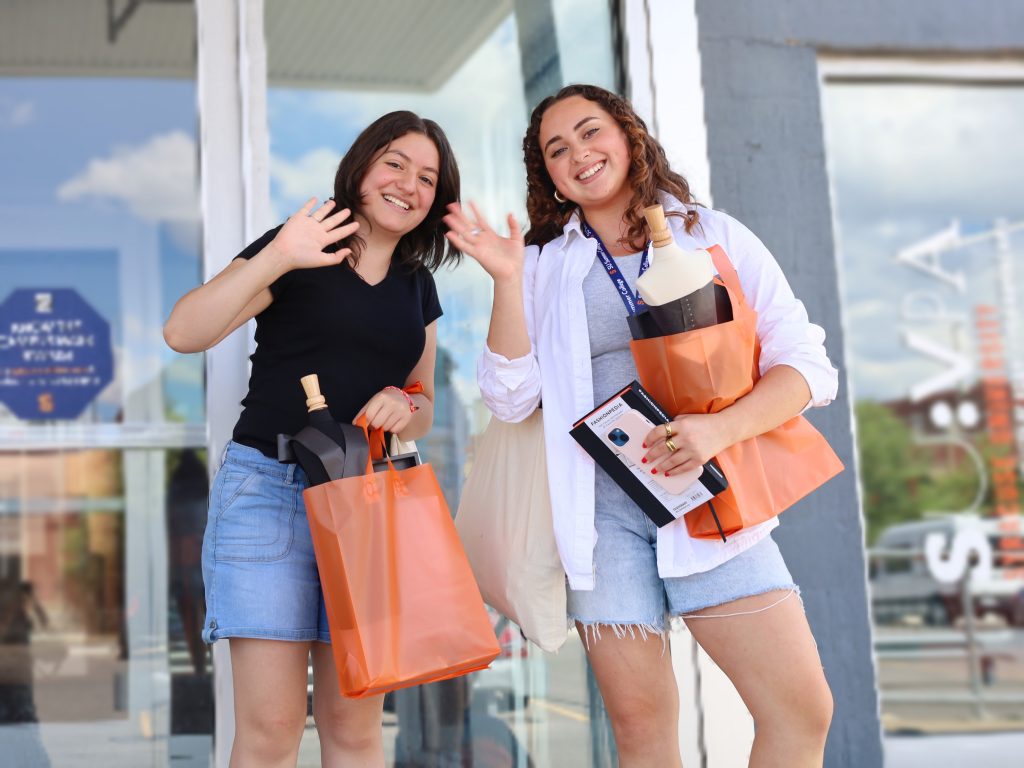
Enroll in a course during the academic year!
Accelerated Semester Online
Fall Semester | Online | Credit
Enroll in an online college-level course while still in high school. Eight-week courses are open to high school students who want to get ahead during the fall semester.
Eligibility: Current high school juniors and seniors or recent high school graduates
Applications for Fall 2023 are now closed!
Experience pre-college this summer with Summer College!
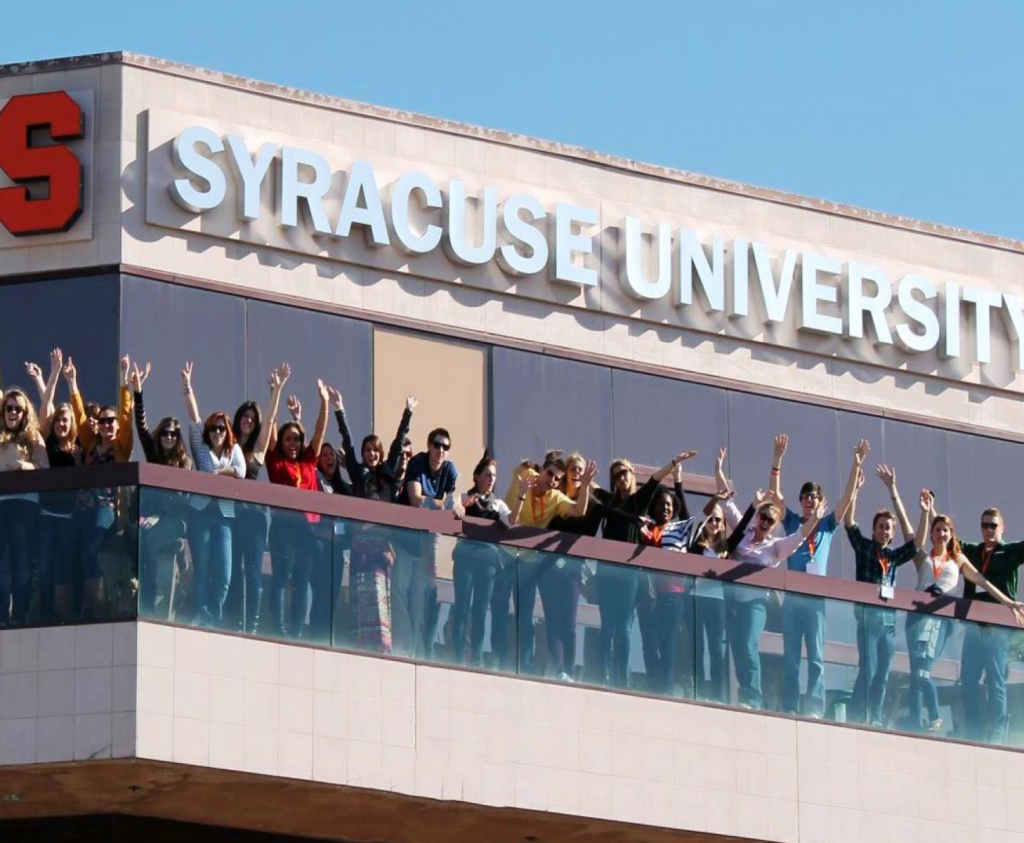
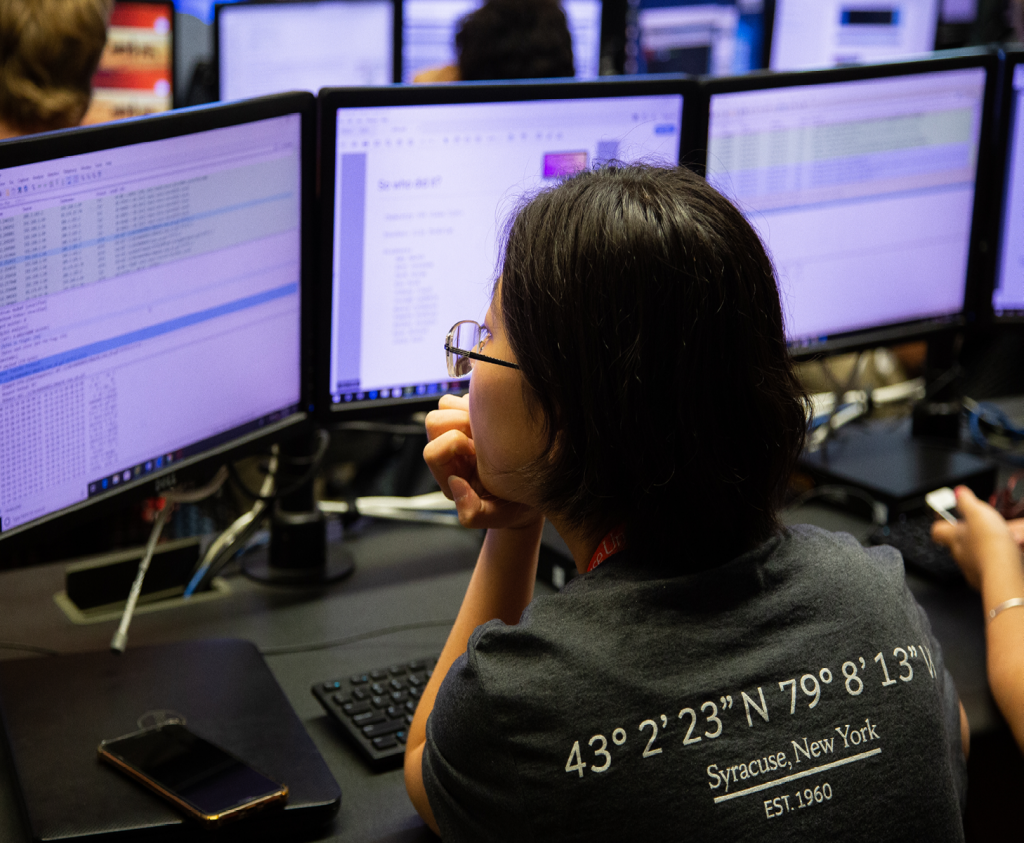
Summer Semester
Residential & Commuter
Credit & Noncredit
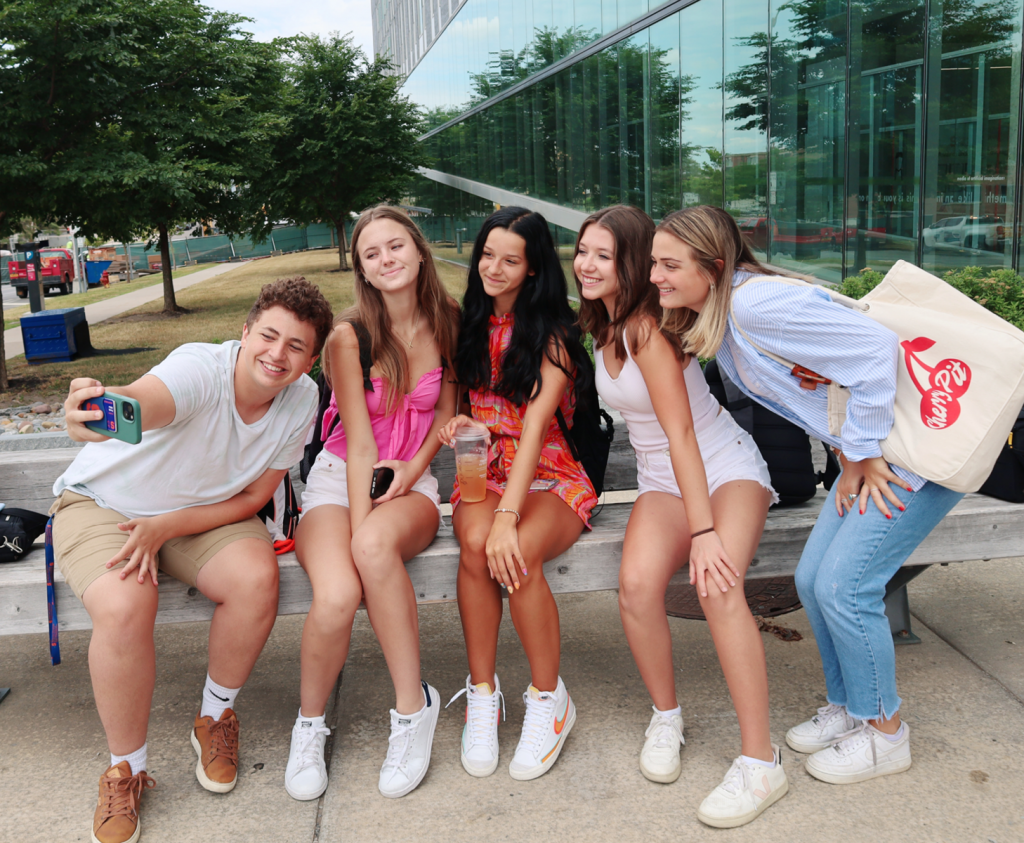
Experience what college is really like: take a college-level course, live in a residence hall, have meals with friends in a dining center, and participate in activities and events on campus.
Length: Up to 4 weeks
Eligibility: Rising high school sophomores, juniors, seniors or recent graduates ages 15 years or older
Summer Semester
Online
Credit &
Noncredit
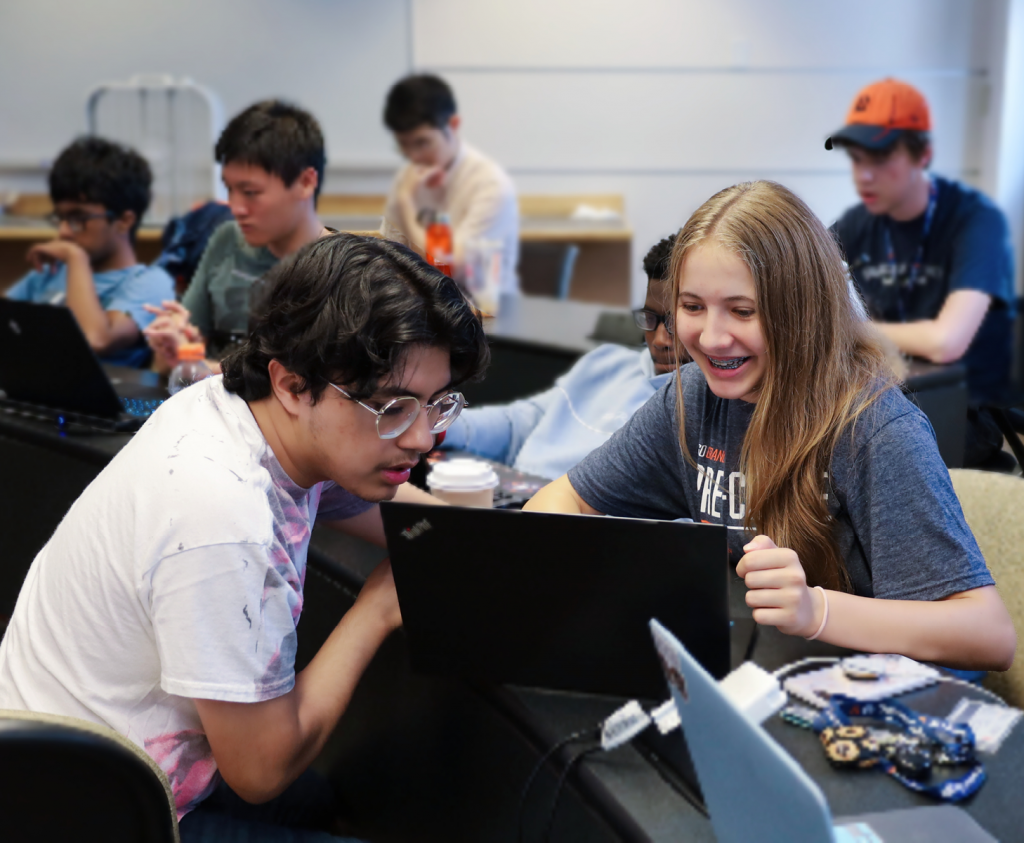
Explore potential college majors and academic interests in an online course this summer. Make friends in virtual events and activities that can be accessed from anywhere in the world.
Length: 3, 4 or
6 weeks
Eligibility: Rising high school sophomores, juniors, seniors or recent graduates
Summer Semester
Res./Commuter – Online
Credit & Noncredit
Expand your knowledge in a hybrid course. Live on campus for two weeks, then complete the final four weeks of your course online from the comfort of your own home!
Length: 1 week on campus/3 weeks online
Eligibility: Rising high school sophomores, juniors, seniors or recent graduates ages 15 years or older
Summer Semester
Commuter
Credit &
Noncredit
Explore course options in one of Syracuse University’s homes on the east or west coast! Commute to academic centers in LA or NYC to take pre-college courses in person!
Length: Up to 6 weeks
Eligibility: Rising high school sophomores, juniors, seniors or recent graduates. Must be able to commute to the academic center.
Summer Semester
On Campus or Online
Noncredit
Work with faculty on existing & new faculty led research projects. This highly selective program affords small cohorts of students the opportunity to gain college-level research experience.
Length: Up to 4 weeks online or on campus
Eligibility: Rising high school sophomores, juniors, seniors or recent graduates.
Pre-college students at Syracuse University who successfully complete their course will walk away with a Certificate of Completion and a Syracuse University transcript.
Hear from Our Alumni

“Summer College made me realize that Syracuse is the place for me! Amazing professors full of knowledge towards my desired field, the resources on campus are very helpful and one of a kind, and also the safe and welcoming environment!!”
— Roslyn B., Summer College – On Campus 2022 student

“I loved my experience because it gave me the opportunity to meet new students that are interested in the same classes as me. This program positively impacted my life because it helped me get in touch with my creativity and imagination.”
— Adriana H., Summer College – Online 2020 student
Facts and Figures
50
U.S. States and territories represented by students from 2018-2022
55+
international countries/regions represented by students from 2018-2022
98%
of our alumni report that the experience prepared them for college and beyond
From Pre-College to a Bright Future. Companies where some of our pre-college alumni work
Spotify
EY
Walt Disney World
pwc
Goldman Sachs
Ready to Start Your Pre-College Journey?